This is a hard one for me to write—because it’s personal, emotional, and wrapped in guilt I never saw coming.
Before having my first baby, I looked forward to breastfeeding like it was a rite of passage. I imagined peaceful bonding moments and believed it would come naturally. I had my pump ready, nursing bras packed, and snacks on hand. But what I wasn’t prepared for? The struggle.
My First Journey: The Weight of Guilt
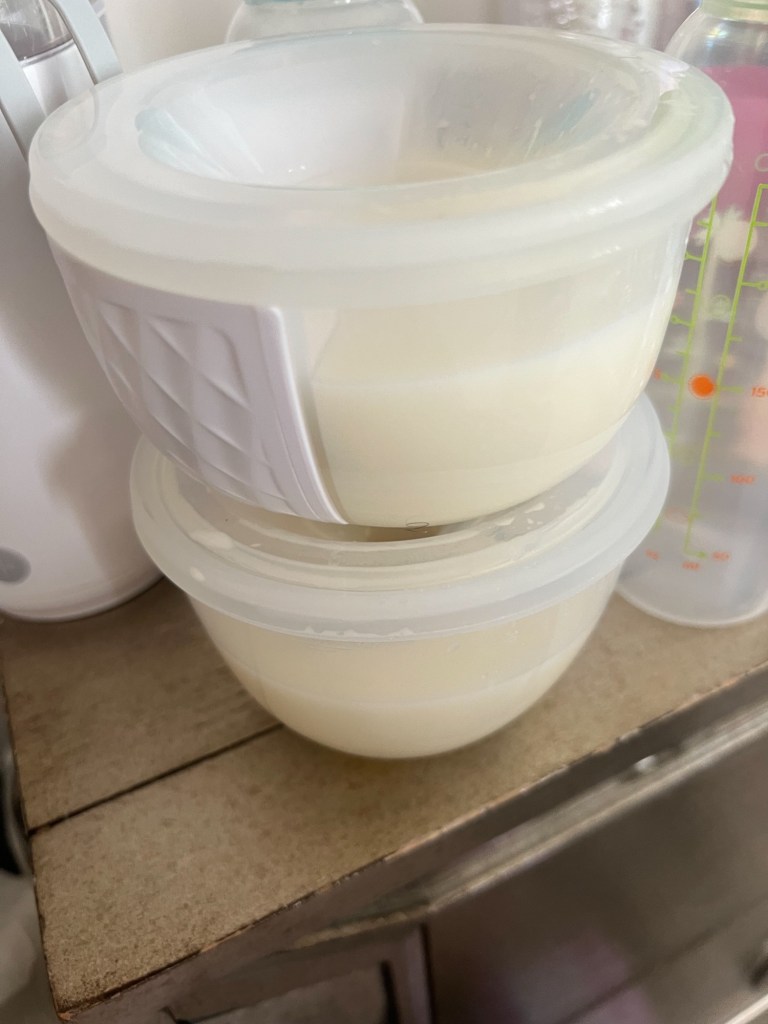
I tried. I really did. But my milk supply was low and the pumping schedule was relentless. I made it about 2–3 months before slowly transitioning to formula. I remember crying silently while making bottles—feeling lazy, feeling like a failure, and worst of all, feeling judged. In my culture, breastfeeding is deeply encouraged. My mom and aunties were vocal about it, and their words echoed in my already-weary mind.
But I had to remind myself:
“A fed baby is a healthy baby.”
That became my mantra.



Round Two: A New Hope, Another Curveball
When I found out I was pregnant with my second daughter, I was determined to “get it right.” I did all the research. I spoke to other moms. I prepped more intentionally. But then my baby girl couldn’t latch. I tried every position imaginable, met with a lactation consultant, and even joined a breastfeeding support group.
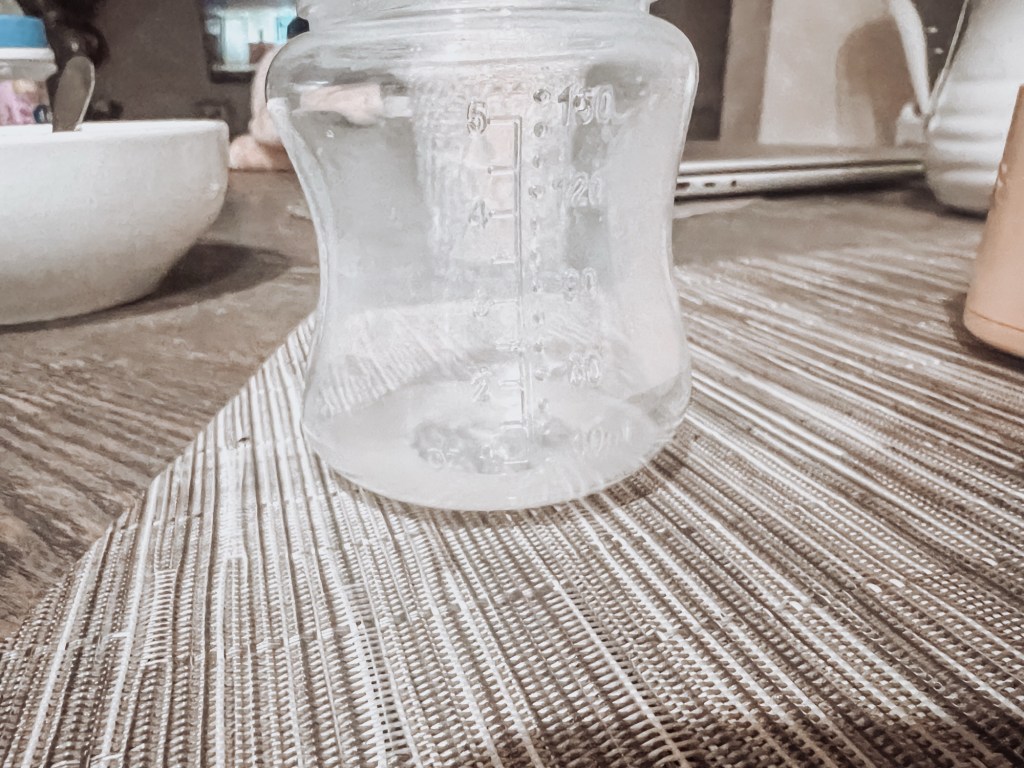
Still, the outcome was the same: my milk supply remained low, and my baby wasn’t getting enough to eat. So, again—I turned to formula. And again, the guilt returned.
But here’s the truth I want you to hold on to if you’re in this space: choosing formula isn’t failure—it’s love.
Facts: Breastfeeding vs Formula
Here are some evidence-based facts to keep your perspective grounded and informed:
- Breast milk contains antibodies that help babies fight off viruses and bacteria.
- Breastfeeding may reduce the risk of asthma, obesity, type 2 diabetes, and SIDS.
- Formula feeding, while not providing antibodies, is nutritionally complete and regulated to meet all of a baby’s dietary needs.
- Formula-fed babies are just as healthy in the long-term with proper care and nutrition.
- Breastfeeding moms burn extra calories and may recover faster postpartum.
- Formula feeding allows others to bond with the baby through feeding and gives moms more flexibility, rest, and shared responsibilities.
Source: CDC, WHO, Mayo Clinic
Tips for Moms No Matter How You Feed
- Don’t wait to ask for help. Lactation consultants are amazing, but so are pediatricians who support your choice to use formula when needed.
- Prepare for both. Have a few formula bottles on hand just in case—it doesn’t mean you’ve given up.
- Track feedings. Apps like Baby Tracker can help monitor intake and feeding sessions whether you’re nursing or bottle feeding.
- Prioritize self-care. You can’t pour from an empty cup—rest and hydration are vital for milk supply and mental health.
- Block out judgment. Online communities like @formulafeedingmamas and @thebabychick share real, non-judgmental support for all feeding types.
Favorite Products That Helped Me
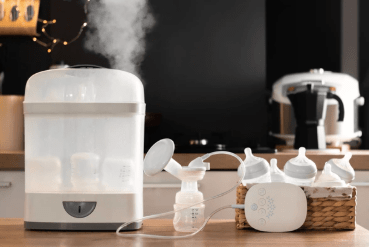
Here are a few game-changers I used and loved.





 Mama Masi
Leave a comment